



Groceries
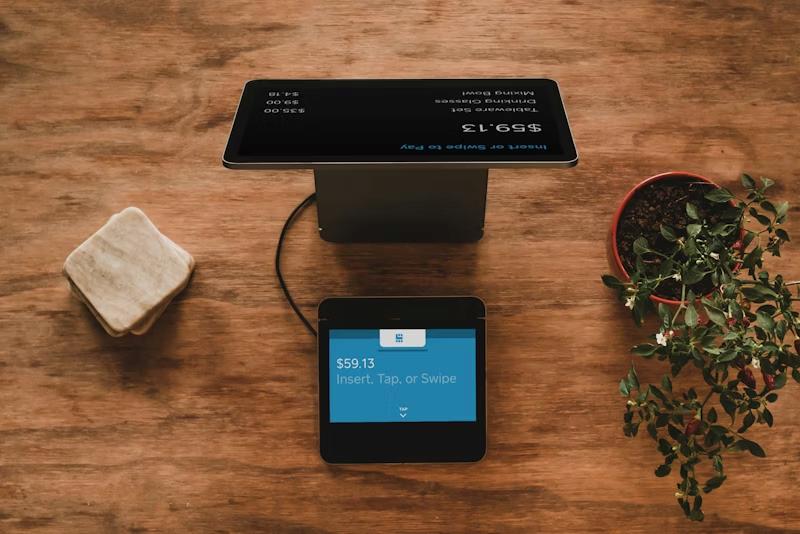
Price-match at Canadian retailers, plan weekly menus, buy store brands, and use loyalty apps like PC Optimum and Scene+ to reduce your weekly grocery bill.
For Canadians, by Canadians
Practical, realistic saving strategies tailored to everyday Canadian life — groceries, housing, utilities, debt, and more. No gimmicks. No hype. Just solid habits that compound over time.
From the checkout line to tax season — here are the areas where most Canadians leave money on the table.
Price-match at Canadian retailers, plan weekly menus, buy store brands, and use loyalty apps like PC Optimum and Scene+ to reduce your weekly grocery bill.
Switch to time-of-use electricity rates, upgrade insulation, use smart thermostats, and audit your natural gas plan to lower monthly bills year-round.
Explore transit passes, carpooling, bike commuting, and insurance comparison tools. Even modest changes to driving habits can cut fuel costs by hundreds annually.
Compare mortgage rates across lenders, negotiate rent renewals, and explore the First Home Savings Account (FHSA) if you're saving to buy your first home.
Aim for 3–6 months of expenses in a high-interest savings account (HISA). Canadian banks and online institutions offer competitive rates — shop around each year.
Use the avalanche or snowball method to tackle credit cards and loans. Prioritize high-interest debt first and consider a balance transfer during promotional periods.
Audit every recurring charge monthly. Streaming, apps, gym memberships, and software trials add up. Cancel what you don't use and share family plans where available.
Choose a no-fee credit card that rewards your spending patterns. Grocery cards, travel cards, and cash-back cards vary widely — matching card to habits matters.
Buy winter clothing in March and summer gear in September. Watch for Boxing Day, end-of-season, and Thanksgiving weekend sales across Canadian retailers.
Maximize RRSP, TFSA, and FHSA contributions. Track work-from-home expenses, medical receipts, and charitable donations throughout the year — not just in April.
Cooking at home 5 nights a week versus dining out 3 nights can save a Canadian household $300–$600/month. Meal prep and batch cooking make this sustainable.
Canada's telecom market is competitive at renewal time. Call your provider annually to negotiate, or switch to a regional carrier to cut bills by 20–40%.
Canada's registered account system is one of the best savings tools in the world — but many Canadians don't use it to its full potential. The TFSA, RRSP, and FHSA each offer distinct tax advantages that, when combined strategically, can significantly accelerate your savings.
Understanding which account to prioritize at different income levels, life stages, and savings goals can make a meaningful difference over a decade.
Read the FAQStart small. Stay consistent. The most lasting financial progress happens through repeatable, low-friction habits.
List your monthly income and all fixed and variable expenses. Most people are surprised where money actually goes. A simple spreadsheet or free budgeting app works fine.
Don't try to overhaul everything at once. Choose the two or three categories from this site that feel most actionable right now and focus there for 30 days.
Each category includes concrete, Canada-specific actions. Apply them one at a time and track the result. Small wins build momentum and make the next step easier.
Automate a transfer to your TFSA, RRSP, FHSA, or emergency fund every payday. Pay yourself first before discretionary spending. Automation removes willpower from the equation.
A practical set of review points you can return to each month, at renewal time, or when you want to reset your money habits without starting from scratch.
Designed for everyday Canadian households: simple checks, account reminders, and negotiation prompts that help you keep more of what you earn.
You don't need to make dramatic lifestyle sacrifices to see meaningful financial improvement. Redirecting even $150 per month — the equivalent of two restaurant meals and a streaming subscription — can grow to over $22,000 in a TFSA at 4% over ten years.
The goal isn't deprivation. It's clarity about where your money goes, and intentional choices about where you'd rather it end up.
Suggest a TopicThis site is built to be useful in the middle of real life: rent due, groceries up, renewals coming, and not much patience for vague advice.
Every tip reflects Canadian tax rules, retailers, financial products, and seasonal patterns — not generic US advice repackaged.
We use plain language. You don't need an economics background to apply any strategy on this site.
We never promise overnight results. Real financial progress is measured in months and years, not days.
No product sales. No affiliate upsells. No pressure to buy anything. This is purely educational content.
Small consistent savings grow. A $150/month habit redirected to a TFSA at 4% grows to over $22,000 in 10 years.
Financial stress affects mental health. Better money habits aren't just about numbers — they're about peace of mind.
No. All content on Urbanglint is general educational information only. It is not financial, investment, legal, or tax advice. For advice specific to your situation, please consult a qualified financial advisor or tax professional.
Adults living in Canada who want to improve their everyday spending habits, reduce unnecessary expenses, and build healthier financial routines. The content is general and does not account for individual circumstances.
Both accounts offer significant tax advantages, but the right choice depends on your current income, expected future income, and goals. We explain how each works — but for a personal recommendation, please speak with a financial planner.
It varies significantly by household, location, and lifestyle. The strategies here are designed to be realistic improvements, not dramatic overnight transformations. Even $100–$300 per month in redirected spending adds up meaningfully over time.
The First Home Savings Account is a registered account introduced in Canada in 2023 that allows eligible first-time home buyers to save up to $40,000 tax-free toward a qualifying home purchase. Contributions are tax-deductible and qualifying withdrawals are tax-free.
No. Urbanglint is an educational resource. We do not sell financial products, insurance, subscriptions, or services. We are not affiliated with any bank, investment firm, or government body.
If you submit your name and email through our forms, we handle that information in accordance with our Privacy Policy, consistent with Canadian privacy legislation (PIPEDA). We do not sell or share your data with third parties for marketing.